
Build an approval‑ready credit profile
Understand what’s driving your credit decisions, identify items that may be unfair or inaccurate, and take a structured next step toward stronger approvals and better terms.
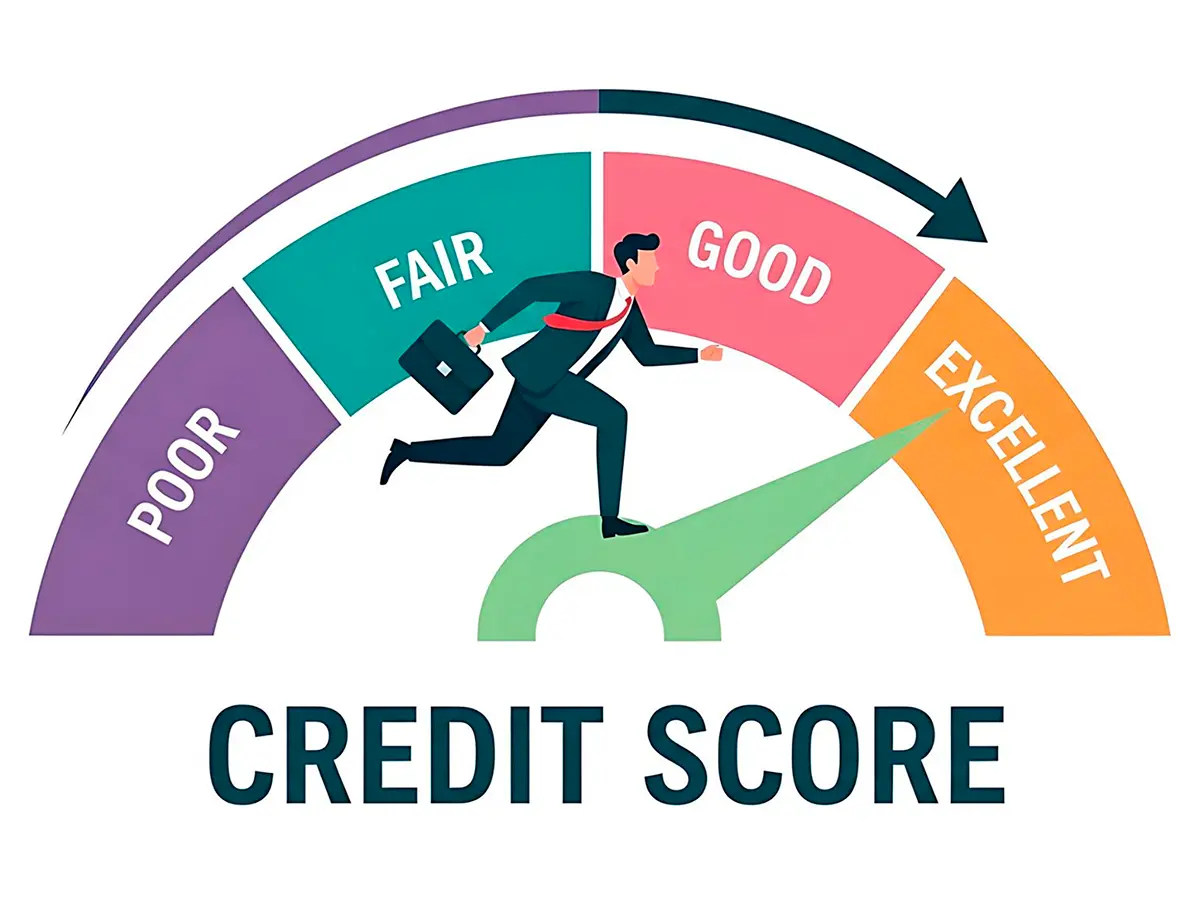
Built around established U.S. credit reporting practices and dispute procedures under the Fair Credit Reporting Act (FCRA). No unrealistic promises—just clarity, documentation, and structured credit improvement.
Unlock more options
Choose the outcome you care about. We’ll outline what improves it—and what to watch for—so you can move forward with confidence.
Your path to stronger credit
A stronger credit profile can mean better approval odds, improved loan terms, and more financial flexibility. Get a clear, no-fluff overview of what credit improvement can help you achieve — then take the next step when you're ready.
Credit decisions in the U.S. are typically influenced by payment history, utilization ratios, account age, recent inquiries, and the accuracy of reporting across major credit bureaus.
Even small inconsistencies can affect lending algorithms. A structured credit improvement approach focuses on verified data, responsible usage patterns, and consistent financial behavior.
*Results vary. This page does not guarantee outcomes.
How it works
A straightforward workflow used by reputable credit‑support programs: review, challenge what’s questionable, and build stronger habits while updates are processed.

Review your starting point
Clarify your goal and look at what’s currently affecting approvals and terms.

Identify what can be challenged
See what information is typically needed, what to expect next, and how the workflow usually looks.

Move forward
Continue to explore available options and take the next step toward better credit outcomes.
help me fix my credit with steady steps that stick
You want relief you can feel: lower interest, easier approvals, less money stress. The quickest path isn't a hack; it's a series of small wins that add up. I'll show you how to create momentum, protect it, and set realistic expectations so progress feels steady and real.
Know exactly where you stand
Start by pulling your credit reports from Equifax, Experian, and TransUnion (AnnualCreditReport.com offers free weekly reports). Check your score in your bank or card app. Note what lenders see: payment history, credit utilization, account age, credit mix, and recent inquiries. This snapshot tells you which levers matter most right now.
- List your debts with balances, rates, and due dates.
- Turn on alerts for due dates and balance thresholds.
- Set autopay for at least the minimum on every account to protect your payment history.
Fix errors fast, the right way
Reports often contain mistakes. Correcting one late mark or a mixed-up account can lift your score. Dispute with each bureau that's reporting the error and keep documentation.
- Highlight the exact line that's wrong.
- Gather proof: statements, payoff letters, ID.
- File disputes online or by mail with each bureau.
- Be concise: what's wrong, why, and the fix you want.
- Track responses; follow up if needed.
Build a positive payment streak
On-time payments are the foundation. Protect them with autopay, then free up cash to reduce balances. If money is tight, pay the minimums on all accounts and target one balance for extra payments.
- Keep utilization under 30% on each card (under 10% is even better).
- Make a mid-cycle payment to drop the reported balance.
- Request a credit limit increase (without a hard check) to lower utilization.
- Keep old, fee-free accounts open to help account age.
- Use one small recurring bill on a single card and pay it monthly to create a clean history.
A quick real-life moment
You sit at the kitchen table on a Saturday, open your card app, freeze the card to stop impulse swipes, and set a $50 autopay. In 90 days, fewer late fees and a lower balance show up as a 38-point lift. Your leap may differ, but the calm from fewer surprises starts almost immediately.
Handle collections carefully
Ask for a debt validation letter. If it's yours, consider a settlement you can actually afford. A "pay for delete" can happen, but it's not guaranteed. Get any deal in writing before you pay.
- Don't restart the clock by casually acknowledging the debt; communicate thoughtfully.
- Avoid using rent or essential money for a lump-sum deal.
- Save every email and letter for your records.
Let time work in your favor
Age and consistency raise scores. Avoid opening multiple new accounts while you're stabilizing.
- 30 days: a flawless payment month prevents damage.
- 90 days: sustained on-time streaks start to register.
- 6 - 12 months: lower utilization shows clear improvement.
- 24 months: late marks fade; your average age grows.
If income is tight
Talk to a nonprofit credit counselor. A debt management plan can reduce rates and structure payments. Your score may dip at first if accounts close, but stability often wins over the long run.
- Ask about fees, creditor participation, and timing.
- Confirm how payments are reported to bureaus.
Keep your progress safe
Use free alerts, consider a credit freeze to block surprise accounts, limit new applications, and avoid co-signing. Celebrate small wins - they compound. Steady beats dramatic. Pick one step today, make it automatic, and let the numbers follow the habit. You'll feel the relief in your budget first, then see it in your score.
Need help fixing your credit? Turns out millions of people have inaccurate or unfair negative items wrongfully hurting their score. CreditRepair.com is here ...
Here are seven ways to fix bad credit and improve your score. Ways to fix your credit, including paying bills on time and disputing credit report errors.
Reduce the amount of debt you owe - Keep balances low on credit cards and other revolving credit - Pay off debt rather than moving it around - Don't close ...
Frequently asked questions
A clear next step — without the guesswork
See what’s impacting approvals and what may deserve a closer look.
Understand how disputes are structured and what documentation matters.
Improve utilization, consistency, and long-term credit stability.
See what improving your credit could change
Take a structured next step based on your current profile — and decide with clarity.